A Taste of Texas: Exploring John Henry’s East Texas Honey Rib Rub Seasoning
john henry's east texas honey rib rub seasoning

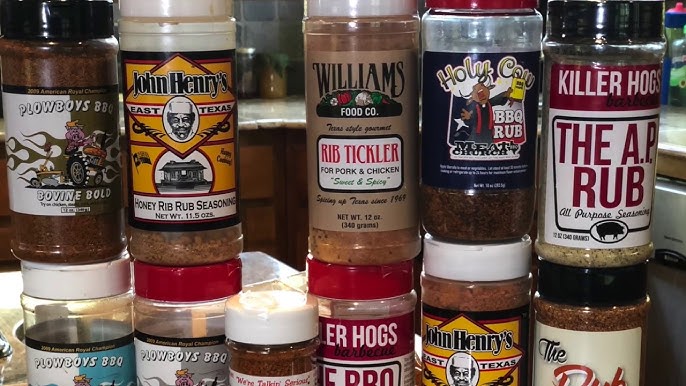
There are smells that stop you in your tracks — smoke that feels like a story, sugar that tastes like summer, and spices that announce a place before you ever get there. John Henry’s East Texas Honey Rib Rub Seasoning is one of those smells: it promises a back-porch Sunday, thick sauce on your fingers, and ribs that peel from the bone with a sigh. This is not just a blend; it’s a mood. Let’s slow down and unpack what makes it sing.
The first impression: sweet, smoky, and unapologetically Texan
Open the jar and you’ll notice the balance immediately. The sweetness is there — delicate, honeyed, not syrupy — then a peppery warmth and a smoke note that nods to oak and mesquite. It’s the kind of combination that works on rib meat because ribs reward nuance: a little sugar to caramelize, salt to pull flavor into the fibers, and spices to lift the palate. The exact phrase — john henry’s east texas honey rib rub seasoning — reads like a promise: East Texas character, honey-forward sweetness, and a rub built for ribs.
How it behaves on the meat
Rubs can be shy or they can take over. This one is assertive without stealing the show. When applied liberally to pork ribs and given time — at least an hour, ideally overnight — the rub forms a delicate crust. The honey element encourages a deep, mahogany bark when the ribs hit low heat. But it doesn’t glaze the meat into cloying candy; instead, it amplifies the natural pork flavors and pairs beautifully with smoke.
Pro tip: salt first, then the rub. The salt helps seasons penetrate; the sugar and honey elements in the rub then get to do their caramel work without competing with the meat’s own juices.
A backyard test: the story of one Sunday
Imagine a late-summer Sunday: friends volunteer to man the grill, someone brings a rugged cooler of beer, and a radio plays a blues track that’s just the right kind of worn. You slap on a rack of ribs coated in john henry’s east texas honey rib rub seasoning, set the smoker to a patient 225°F, and walk away. You don’t babysit; you trust the process.
Four hours later, the ribs come off slow and sweet, the bark speckled and firm. You cut between the bones and the meat yields with a small, joyful rebellion. That first bite — sticky at the edges, smoky in the middle, with a honeyed whisper up front — proves the recipe: a rub that respects time, smoke, and the patient attention of a true cooker.
Versatility beyond ribs
Yes, it’s billed for ribs, but think broadly. Brush onto roasted chicken just before the last 15 minutes for a gilded, sweet-spiced finish. Mix a tablespoon into a burger patty for a Texas-leaning twist. Toss a spoonful in a pan sauce with butter and apple cider vinegar for pork chops. A small amount goes a long way in elevating roasted vegetables — carrots and sweet potatoes particularly relish the honey-spice frame.
Pairings and serving ideas
-
Drink: An amber ale or a smoky bourbon matches the rub’s depth. If you prefer nonalcoholic, a sweet tea with a slice of lemon harmonizes with the honey notes.
-
Sauce: If you like a finishing sauce, choose something tomato-forward with a touch of vinegar. The rub’s sweetness balances acidity well. Avoid super-sweet glazes that will compete.
-
Sides: Think charred corn, a crisp slaw to cut richness, and buttery mashed potatoes or smoked mac and cheese for comfort.
Cooking methods that work best
-
Low-and-slow smoking (225–250°F): Classic approach. Let smoke do the heavy lifting.
-
Oven roasting: For urban cooks without smokers, wrap ribs tightly with a splash of apple juice and bake low, finishing under a broiler for color.
-
Grill-burning method: Two-zone grilling—indirect heat for slow cooking, then direct heat for finishing—works beautifully.
What to watch for
Because there’s sugar in the rub, be mindful of direct, high flames for extended finishes; the sugar will char quickly. If you want a sticky, glossy finish, add that in the final 10–15 minutes with careful attention. Also, if you’re watching sodium, use less added salt in your prep because many rubs already contain salt in balanced amounts.
The appeal: why this rub lands emotionally
Food is memory and ritual as much as chemistry. Blends like John Henry’s succeed because they’re not trying to reinvent the wheel; they’re trying to bottle a feeling — the tactile pleasure of pulling apart a rib, the communal mess of sharing, the particular warmth of honey balanced with smoke. The name itself — john henry’s east texas honey rib rub seasoning — conjures landscape and lineage, a small narrative that enriches the meal before it even starts.
Final Taste Note
If you love your barbecue nuanced and a little old-school — where sweetness is a partner, not an overpowering headline — this rub is for you. It’s generous enough to be satisfying, subtle enough to respect the meat. Use it as a foundation and then let curiosity take over: tweak with cayenne if you want heat, add lemon zest for brightness, or pair with a molasses-forward sauce for deeper caramel notes.
In the end, a great rub doesn’t just season meat; it invites you to cook with intention. With john henry’s east texas honey rib rub seasoning, you get a reliable tool and a small, flavorful narrative: honey from the South, smoke in the air, and a rack of ribs that asks to be shared.