

For many couples, the pregnancy journey is filled with hope, excitement, and cautious optimism. But sometimes, that hope is met with unexpected heartbreak. One form of early pregnancy loss that is often misunderstood is known as a chemical pregnancy. If you’ve ever wondered what is a chemical pregnancy and why it happens, this article will walk you through the science, the emotional impact, and what it means for your reproductive journey.
Defining a Chemical Pregnancy
A chemical pregnancy is an early miscarriage that occurs shortly after implantation, often before the fifth week of pregnancy. Unlike later miscarriages, a chemical pregnancy may be so early that the person experiencing it might not even realize they were pregnant.
The term “chemical” refers to the fact that pregnancy is confirmed only through chemical markers in the blood or urine, specifically the hormone human chorionic gonadotropin (hCG). These hormones indicate that implantation has occurred, but unfortunately, the embryo does not continue to develop.
How Common Are Chemical Pregnancies?
Surprisingly, chemical pregnancies are more common than most people realize. Research suggests that up to 50–75% of all miscarriages occur in the first trimester, and chemical pregnancies constitute a significant portion of these early losses. Many of these pregnancies happen so early that the woman may mistake the bleeding for a late or heavy period.
Despite their frequency, chemical pregnancies are rarely discussed openly, leaving many women and couples feeling isolated and confused. Understanding what is a chemical pregnancy can help normalize the experience and reduce unnecessary guilt or self-blame.
Causes of a Chemical Pregnancy

There is no single cause for chemical pregnancies. Often, they are the result of genetic abnormalities in the embryo that prevent proper development. In other cases, hormonal imbalances, uterine abnormalities, or immune system factors may play a role.
Key factors include:
-
Chromosomal abnormalities: Most chemical pregnancies occur because the embryo has an abnormal number of chromosomes, making it impossible for a viable pregnancy to continue.
-
Hormonal issues: Low progesterone levels can affect the uterine lining, making implantation difficult.
-
Uterine factors: Structural issues like fibroids or scar tissue can interfere with a successful pregnancy.
-
Lifestyle factors: Smoking, excessive alcohol consumption, and extreme stress may contribute, though their role is often indirect.
It’s important to remember that a chemical pregnancy is usually not caused by anything the parents did or did not do, and it does not necessarily indicate infertility or long-term reproductive issues.
Signs and Symptoms
Detecting a chemical pregnancy can be challenging because the signs are often subtle. Common indicators may include:
-
A positive pregnancy test that later turns negative
-
Spotting or light bleeding around the time of a missed period
-
Mild cramping similar to menstrual cramps
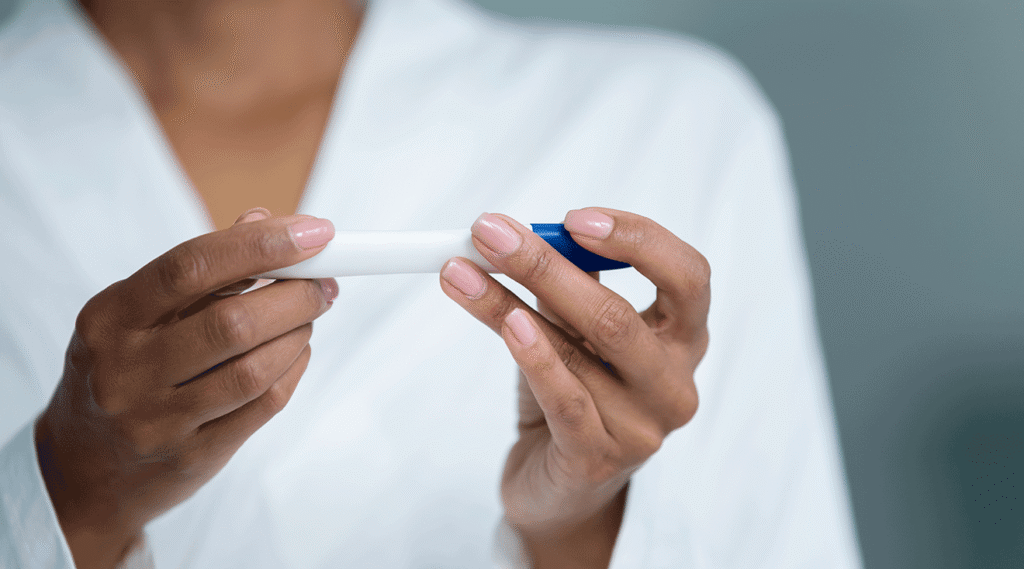
Because these symptoms are similar to those of a normal period, many women may never know they experienced a chemical pregnancy. Modern home pregnancy tests, which detect very low levels of hCG, have made it easier to detect these early losses, leading to increased awareness and reporting.
Emotional Impact
While chemical pregnancies occur very early, the emotional impact can be profound. The anticipation, hope, and brief excitement that come with a positive pregnancy test can make the loss feel real and deeply personal.
Feelings of sadness, frustration, guilt, or confusion are natural. Partners may grieve differently, and support from family, friends, or professional counselors can be vital. Acknowledging the loss and giving yourself permission to grieve is an important step in emotional healing.
Diagnosis and Medical Support
Healthcare providers diagnose chemical pregnancies primarily through:
-
hCG testing: Blood tests detect rising or falling levels of the pregnancy hormone. A sudden drop often indicates early miscarriage.
-
Ultrasound: In most chemical pregnancies, an ultrasound may not detect a gestational sac due to the early timing of the loss.
While most chemical pregnancies do not require medical intervention, some women may need monitoring or treatment if bleeding is heavy or prolonged. Doctors may also investigate recurrent early miscarriages to rule out underlying medical conditions.
Coping and Moving Forward
Understanding what is a chemical pregnancy can help you process the experience and plan for future pregnancies. Here are some practical and emotional strategies:
-
Acknowledge Your Feelings: Recognize that early pregnancy loss is real and valid. Give yourself space to grieve.
-
Seek Support: Talk to a partner, friend, or support group. Sharing experiences can reduce feelings of isolation.
-
Consult Your Doctor: If you experience recurrent early losses, seek medical advice to explore potential causes.
-
Focus on Health: Maintaining a healthy lifestyle — balanced diet, exercise, and stress management — can improve chances in subsequent pregnancies.
-
Allow Time: Emotional recovery varies; there’s no set timeline. Be gentle with yourself.
When to Seek Professional Help
While chemical pregnancies are often isolated events, recurrent early losses may indicate underlying issues. Consider consulting a healthcare provider if you:
-
Experience multiple chemical pregnancies consecutively
-
Have concerns about your fertility
-
Experience intense emotional distress that affects daily life
Medical evaluation can provide reassurance, uncover treatable conditions, and guide future pregnancy planning.
Final Thoughts
A chemical pregnancy can be a quiet, early heartbreak — one that often goes unrecognized or misunderstood. Learning what is a chemical pregnancy helps demystify the experience, providing clarity and perspective.
Remember, experiencing a chemical pregnancy does not mean failure. It does not define your reproductive potential, nor does it diminish your desire to grow a family. Awareness, support, and medical guidance can help navigate the emotional and physical aspects of early miscarriage, paving the way for hope, healing, and future pregnancies.