Newborn Swaddle Blankets Compared: Which One Is Best for Your Baby?
newborn swaddle blankets


The first nights at home with a newborn are rarely quiet. The house feels different. Time stretches. Sleep comes in fragments. And somewhere between the third feeding and the fourth diaper change, most parents stumble onto the same question:
Why won’t my baby stay asleep?
For many families, the answer isn’t complicated — it’s comfort. More specifically, it’s swaddling. But not all swaddles are created equal, and choosing between different newborn swaddle blankets can feel overwhelming when you’re already running on two hours of sleep.
Let’s slow this down and compare the options properly, without marketing noise, exaggerated claims, or one-size-fits-all advice.
Why Swaddling Works (When Done Right)
Swaddling isn’t a trend. It’s ancient. Long before baby monitors and white-noise machines, parents instinctively wrapped newborns snugly to recreate the secure feeling of the womb.
A good swaddle:
-
Reduces the startle (Moro) reflex
-
Helps regulate body temperature
-
Encourages longer, calmer sleep stretches
But the keyword there is good. Poor-quality or ill-fitting swaddles can do more harm than good.
That’s why comparing newborn swaddle blankets matters more than most parents realize.
The Main Types of Newborn Swaddle Blankets
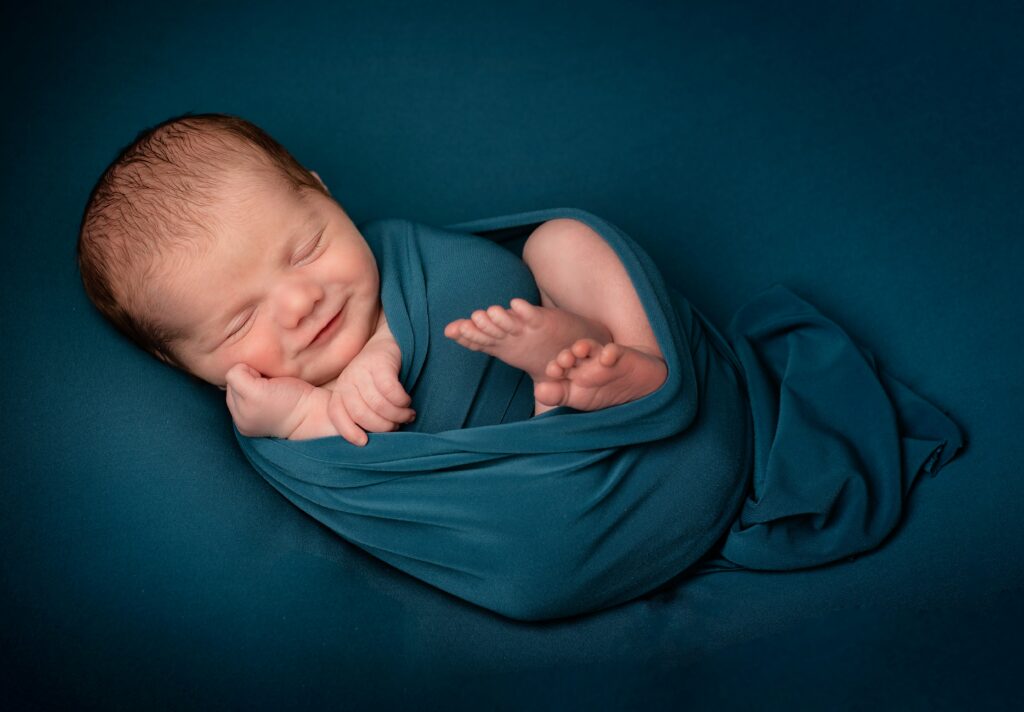
Before choosing “the best,” it helps to understand what’s actually on the market.
1. Traditional Muslin Swaddle Blankets
What they are:
Large, lightweight fabric squares — usually cotton or bamboo — that require manual wrapping.
Why parents love them:
-
Breathable and soft
-
Multi-purpose (burping cloth, stroller cover, nursing cover)
-
Grow with the baby
Where they fall short:
-
Steep learning curve
-
Easy to wrap too loose or too tight
-
Babies can wiggle out
These newborn swaddle blankets work beautifully for parents who’ve mastered the fold-and-tuck technique. For first-timers, they can feel intimidating at 3 a.m.
2. Velcro or Zip-Up Swaddles
What they are:
Pre-shaped swaddles with fasteners that simplify the process.
Why parents love them:
-
Foolproof design
-
Consistent snugness
-
Faster nighttime changes
Where they fall short:
-
Limited sizing window
-
Less versatile
-
Some babies dislike the restriction
These are often the gateway swaddles — especially for exhausted parents who want results without origami skills.
3. Organic Cotton & Bamboo Swaddles
What they are:
Swaddles made from natural, chemical-free fibers.
Why parents love them:
-
Hypoallergenic
-
Temperature-regulating
-
Gentle on sensitive skin
Where they fall short:
-
Higher price point
-
Require careful washing
When comparing newborn swaddle blankets, this category shines for babies prone to rashes, overheating, or eczema.
4. Stretch Knit Swaddles
What they are:
Soft, stretchy blankets designed to hug without rigidity.
Why parents love them:
-
Easier to wrap than muslin
-
Comfortable movement
-
Cozy without stiffness
Where they fall short:
-
Can loosen over time
-
Not ideal for strong kickers
These sit nicely between traditional and structured swaddles.
What Actually Makes One Swaddle Better Than Another?
Marketing labels won’t tell you this. Experience will.
When evaluating newborn swaddle blankets, focus on these real-world factors:
Fabric Breathability
Babies can’t regulate temperature well. Overheating is a genuine risk. Breathable materials aren’t optional — they’re essential.
Ease of Use at Night
A swaddle that looks great but takes five minutes to rewrap at 2 a.m. will test your sanity.
Baby’s Sleep Style
Some newborns crave tight compression. Others panic when overly restricted. The “best” swaddle adapts to your baby, not the other way around.
Safety & Fit
Hip-friendly design, secure closure, and room for natural leg movement matter more than patterns or branding.
Real-Life Comparison: What Parents Actually Notice
Parents who rotate between different newborn swaddle blankets often report something interesting:
-
Muslin works best during warmer months
-
Velcro swaddles shine during the first 6–8 weeks
-
Stretch knits become favorites during transitional phases
-
Organic fabrics reduce skin irritation noticeably
No single option dominates forever. Babies change fast. Sleep needs change faster.
So… Which Newborn Swaddle Blanket Is Best?
Here’s the honest answer most articles avoid:
The best swaddle is the one your baby sleeps in.
But if you want practical guidance:
-
First-time parents: Start with a Velcro or zip-up swaddle
-
Warm climates: Lightweight muslin or bamboo
-
Sensitive skin: Organic cotton or bamboo blends
-
Wiggly sleepers: Structured swaddles with strong closures
-
Minimalists: Stretch knit swaddles with flexibility
Many experienced parents keep two or three styles on hand. It’s not indulgence — it’s survival.
When to Stop Swaddling
This matters just as much as choosing the right one.
Most babies should transition out of newborn swaddle blankets once they show signs of rolling, usually around 2–3 months. At that point, sleep sacks become the safer alternative.
Swaddling is a phase — powerful, comforting, temporary.
Final Thoughts
Choosing between newborn swaddle blankets isn’t about finding a universal winner. It’s about understanding your baby, your environment, and your own limits during those early weeks.
Some nights will still be hard. Some wraps will fail. That’s normal.
But when you find the swaddle that works — the one that turns crying into calm — it feels less like a product and more like a quiet victory at the start of parenthood.


