


From home kitchens to wellness blogs, apple cider vinegar has long been praised as a natural remedy — for digestion, skin, blood sugar balance, even morning sickness. But pregnancy changes everything. With hormonal shifts, digestive sensitivity, and a new little life depending on you, the question becomes: Is apple cider vinegar safe during pregnancy? The honest answer is: it can be — but with caution, moderation, and awareness of potential risks.
What Is Apple Cider Vinegar — and Why People Use It
Apple cider vinegar is simply fermented apple juice — sometimes unfiltered and containing “the mother” (a mix of beneficial bacteria and enzymes), sometimes pasteurized and clear. Many pregnant women turn to it for common discomforts: nausea, heartburn, digestion issues, mild swelling.
Because it’s acidic (thanks to acetic acid), some believe ACV can mellow stomach acidity, ease digestion, or even help stabilize blood sugar — though evidence is limited and mostly anecdotal.
Possible Perks — When Used Right
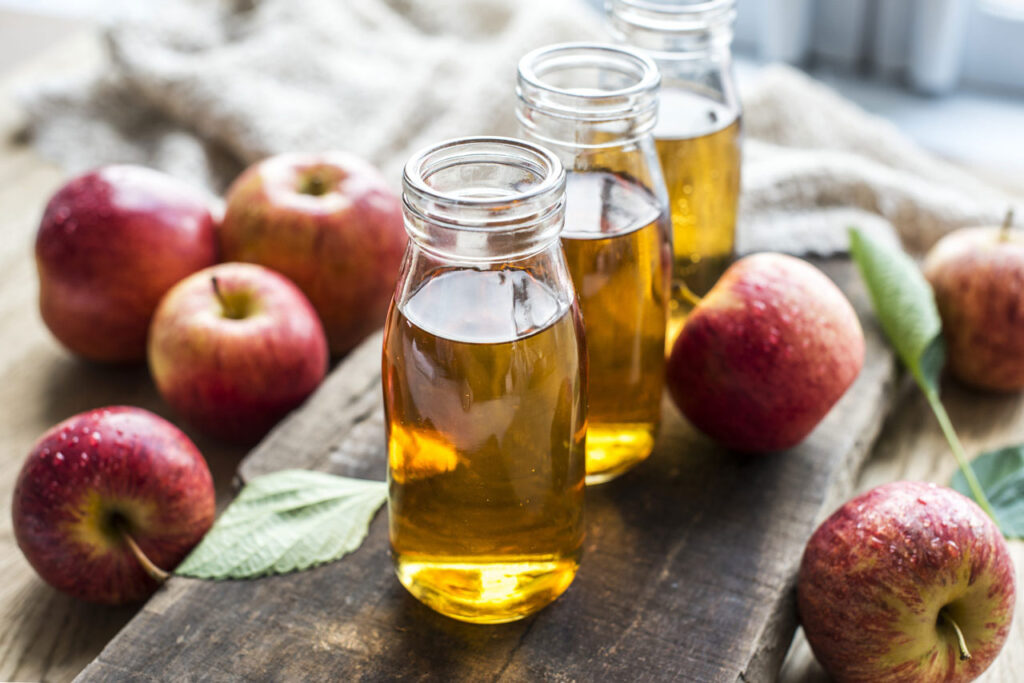
When apple cider vinegar is used sensibly, some pregnant women report benefits. Here are a few commonly-cited ones — with an important caveat that scientific support remains weak or preliminary.
-
Digestive comfort & mild relief for heartburn or nausea
Some expectant mothers find that a small amount of diluted ACV helps soothe mild digestive discomfort or heartburn. -
Better digestion and metabolism (in theory)
There’s some animal-based research suggesting vinegar can influence digestion of fats and sugars, which fuels speculation about benefits in pregnancy — though human studies are lacking. -
Possible modest blood sugar support
For those concerned about gestational diabetes, some small studies (non‑pregnant participants) report vinegar can blunt post-meal glucose spikes — though this doesn’t guarantee safety or benefit during pregnancy.
That said, these potential benefits are speculative. The more important question is whether these possible gains outweigh the risks — and for many, the safer answer is cautious.
Where ACV May Pose Risks During Pregnancy
Pregnancy makes your body more sensitive — acid reflux becomes more common, gums and teeth may be more vulnerable, and immune defenses get altered. In that context, ACV can bring several downsides:
⚠️ Acidity, Digestive Discomfort & Heartburn
ACV is highly acidic. Taken undiluted or in large amounts, it can irritate the esophagus or stomach lining, worsen heartburn, or trigger nausea — problems many pregnant women already face.
⚠️ Dental Health — Tooth Enamel Erosion, Gum Sensitivity
Frequent exposure to acid can wear down tooth enamel. Since pregnancy already affects gums and teeth sensitivity, drinking ACV straight or often may increase risk of dental issues.
⚠️ Safety Concerns with Unpasteurized Vinegar
Some apple cider vinegars are unpasteurized and contain “live” bacteria or yeast from fermentation. While some people believe this is a benefit, it also poses risk: pregnant women’s immune systems are more vulnerable to foodborne infections.
⚠️ Potential for Blood Sugar & Electrolyte Imbalance
Vinegar may modestly lower blood sugar. For women managing gestational diabetes or other metabolic conditions, this fluctuation might be concerning — especially if using medications. Long-term, excessive use has been linked (in rare cases) to lowered potassium levels and other metabolic disruptions.
⚠️ Skin & External Use — Risk of Irritation
If used topically (for acne or skin issues), ACV’s acidity can irritate or burn skin — even more likely if skin is sensitive during pregnancy. Experts often caution against applying undiluted ACV on skin at this time.
What Experts Say: The Safe Path Forward
Medical reviews stress there’s no definitive research proving ACV is either entirely safe or dangerous during pregnancy.
If a pregnant woman wants to use ACV, many professionals recommend these precautions:
-
Choose pasteurized vinegar — to avoid risk of foodborne bacteria.
-
Always dilute — one common guideline: 1–2 teaspoons (not tablespoons) in a large glass of water — never drink it straight.
-
Limit frequency — no heavy daily doses, especially not large amounts more than once a day.
-
Avoid if you have digestive issues, reflux, ulcers, or are on glucose/medication regimen — pregnancy can amplify sensitivity.
-
Don’t rely on it for “miracle” benefits — treat it like a seasoning or occasional home remedy, not a therapy.
Above all: talk to your doctor — especially if you have pregnancy complications, gestational diabetes, or other health conditions.
Real Feelings — The Emotional Layer
Pregnancy is often intertwined with worries, hopes, and big emotional swings. Deciding whether to use a home remedy like apple cider vinegar isn’t just about science — it’s personal.
Many women feel empowered by trying “natural” options instead of medications. Others feel anxious about every sip.
If you’re curious about ACV but also nervous — that’s valid. It means you’re thinking carefully about what goes into your body. Emotional comfort matters. If a diluted tablespoon in a big glass of water once in a while gives you ease without discomfort — that’s one thing. But pushing it because of hype or anecdote? That’s different.
My Verdict — Moderation and Awareness, Not Abstinence or Overuse
Yes — apple cider vinegar can be safe during pregnancy, when used thoughtfully and cautiously.
But it’s far from a “must-have.” It’s not a magic solution for heartburn, nausea, or digestion issues. It’s a condiment, a potential mild aid — and only in small, diluted amounts.
If you choose to use ACV, treat it like any dietary variable during pregnancy: watch your body, pay attention to sensations, don’t overdo it, and get your doctor’s nod if in doubt.
And remember: your body is doing something remarkable. Sometimes simple water, balanced nutrition, gentle movement, rest — that’s more than enough.