
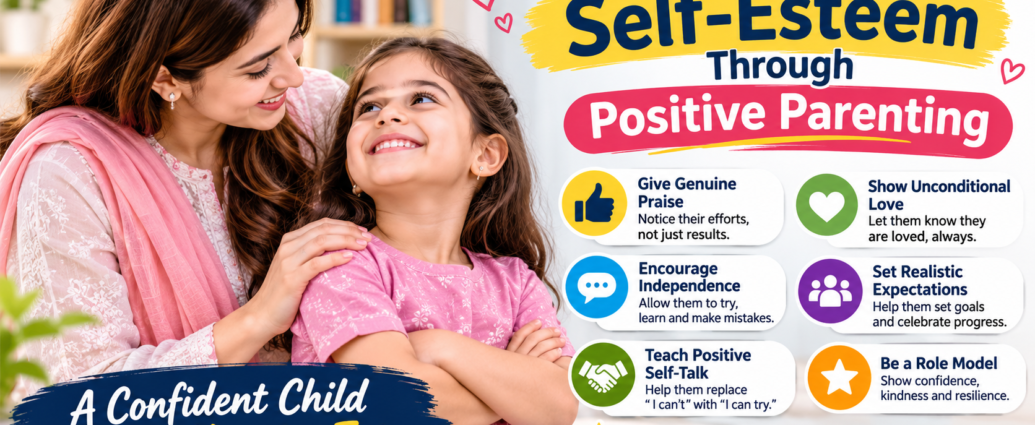
Every parent wants their child to grow up feeling confident, happy, and capable of achieving their goals. However, building confidence does not happen overnight. It develops through everyday experiences, supportive relationships, encouragement, and the way parents respond to their children’s successes and mistakes.
A healthy Child’s Self-Esteem plays an important role in emotional development, social relationships, learning, and decision-making. When children believe in themselves, they are more likely to explore new opportunities, express their opinions, overcome challenges, and develop healthy relationships with others.
Positive parenting provides an effective way to strengthen children’s confidence without relying on harsh criticism, unrealistic expectations, or excessive pressure. By showing love, providing encouragement, and teaching children to learn from mistakes, parents can create an environment where confidence naturally grows.
In this guide, we will explore practical ways to build your child’s self-esteem through positive parenting and help them develop a healthy sense of self-worth.
What Is Child’s Self-Esteem and Why Does It Matter?
Self-esteem refers to how children see, value, and feel about themselves. It influences whether they believe they are capable, worthy, and accepted by the people around them.
Children with healthy self-esteem generally feel more comfortable expressing their thoughts, trying new activities, and handling everyday challenges. They understand that making mistakes does not make them less valuable.
A positive sense of self-worth can help children:
- Develop confidence in their abilities.
- Build healthy friendships.
- Express their feelings and opinions.
- Handle disappointment and frustration.
- Become more independent.
- Develop problem-solving skills.
- Recognize their strengths and accept their weaknesses.
Self-esteem does not mean children should believe they are better than everyone else. Instead, it means helping them understand that they have value regardless of their achievements or mistakes.
1. Show Unconditional Love and Acceptance
One of the most important ways to build your child’s self-esteem is to make sure they feel loved and accepted.
Children need to understand that their parents’ love does not depend on academic results, sports performance, good behavior, or achievements.
Show affection through kind words, hugs, supportive conversations, and spending quality time together.
For example, instead of saying, “I am proud of you only when you get good grades,” tell your child, “I love you, and I am proud of the effort you put into learning.”
Practical ways to show unconditional love:
- Spend quality time with your child every day.
- Listen when they share their feelings.
- Show affection without expecting anything in return.
- Avoid comparing them with siblings or friends.
- Reassure them when they make mistakes.
- Appreciate their personality and individual strengths.
When children feel accepted at home, they are more likely to develop a secure and positive sense of self-worth.
2. Praise Effort Instead of Only Achievements
Parents naturally celebrate good grades, sports victories, and other accomplishments. However, focusing only on results can make children believe their value depends on being successful.
Positive parenting encourages parents to recognize effort, persistence, creativity, and improvement.
For example, instead of saying, “You are so smart because you got the highest marks,” try saying, “You worked hard, practiced regularly, and improved your understanding.”
This approach teaches children that progress comes from learning and consistent effort.
Examples of meaningful encouragement:
- “I noticed how hard you worked on this project.”
- “You kept trying even when it was difficult.”
- “You should feel proud of your improvement.”
- “I appreciate how responsibly you handled that task.”
Recognizing effort helps children become more comfortable with challenges and reduces the pressure to be perfect.
3. Encourage Your Child to Make Independent Decisions
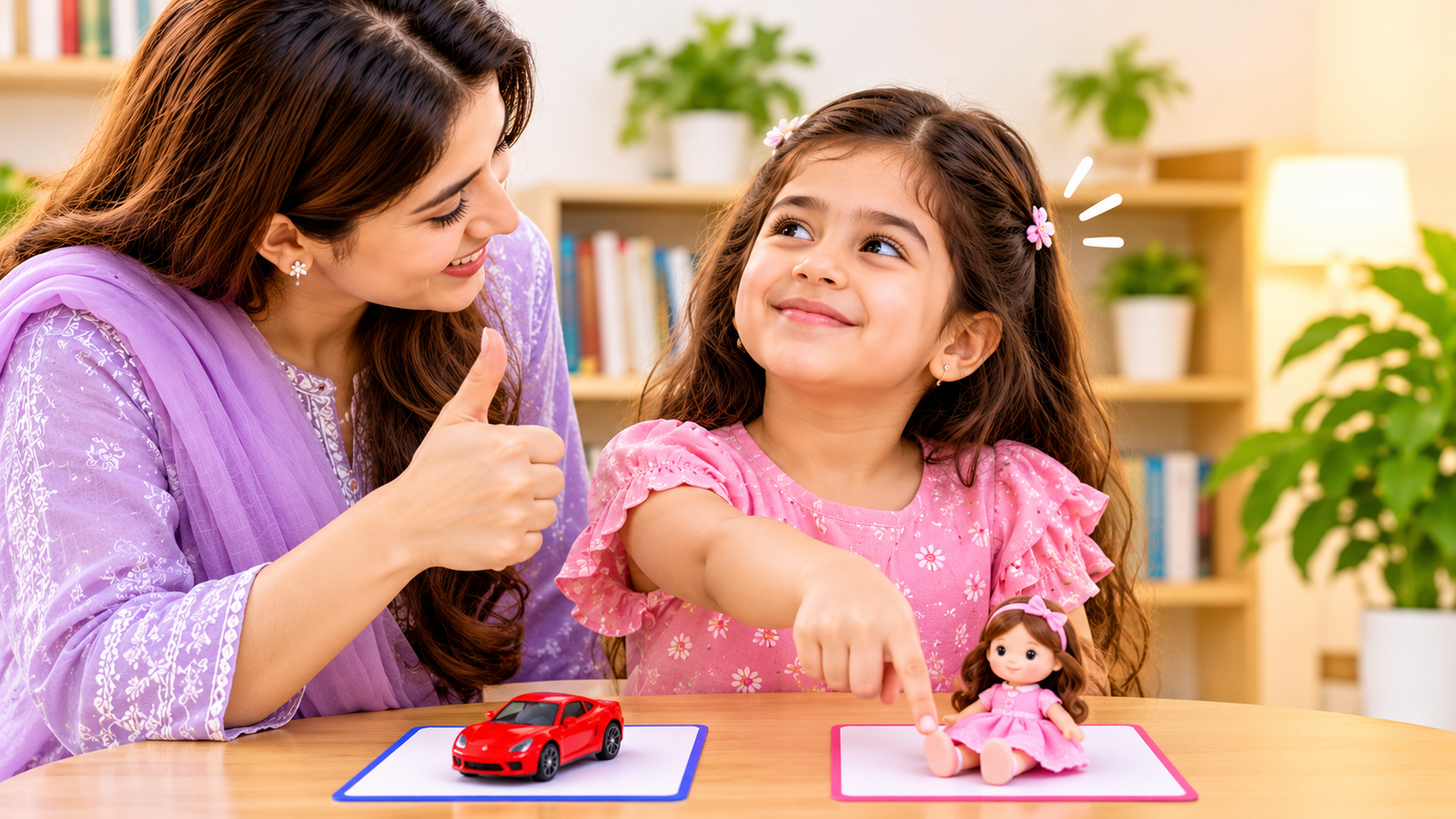
Children develop confidence when they have opportunities to make decisions and take responsibility for their choices.
Parents should provide age-appropriate independence instead of controlling every part of their children’s lives.
For younger children, you might allow them to choose their clothes or select a bedtime story. Older children can participate in planning activities, organizing schoolwork, or managing simple responsibilities.
Ways to encourage independence:
- Allow children to choose between suitable options.
- Give them small household responsibilities.
- Encourage them to organize personal belongings.
- Let them solve simple problems independently.
- Teach them to make thoughtful decisions.
- Support them when they need guidance.
When children realize that their opinions matter, they gradually develop confidence in their abilities.
4. Avoid Comparing Your Child With Others
Comparing children with siblings, classmates, cousins, or friends can negatively affect their self-esteem.
Statements such as “Why can’t you be like your brother?” or “Your friend always gets better grades” may make children feel inadequate.
Every child has different abilities, interests, learning styles, and developmental needs.
Instead of comparing your child with others, focus on their personal progress.
For example, if your child struggles with mathematics but improves after regular practice, recognize that improvement rather than comparing their marks with another student.
Remember these positive parenting practices:
- Celebrate individual strengths.
- Respect different interests and abilities.
- Avoid negative comparisons.
- Encourage personal improvement.
- Focus on progress rather than competition.
Children should understand that their worth is not determined by outperforming other people.
5. Teach Children That Making Mistakes Is Normal
Fear of failure can prevent children from trying new things. Some children avoid activities because they worry about making mistakes or disappointing their parents.
Positive parenting helps children understand that mistakes are a natural part of learning.
When your child makes an error, avoid embarrassing or criticizing them. Instead, discuss what happened and explore how they can approach the situation differently next time.
You can say:
- “Everyone makes mistakes while learning.”
- “What do you think we can learn from this?”
- “Let’s try another approach.”
- “You do not have to get everything right the first time.”
Allowing children to learn from mistakes helps them develop resilience, independence, and a healthier attitude toward challenges.
6. Listen to Your Child’s Feelings and Opinions
Children need to feel that their thoughts and emotions are important.
When parents listen carefully, children develop a sense of belonging and learn that their voices deserve respect.
Make time for regular conversations, especially when your child is upset, worried, or excited about something.
How to become a better listener:
- Give your child your full attention.
- Avoid interrupting their explanations.
- Ask questions to understand their perspective.
- Acknowledge their feelings.
- Avoid dismissing their concerns.
- Respond calmly, even when you disagree.
For example, if your child feels disappointed about a school result, avoid immediately telling them not to worry. First, acknowledge their disappointment and then help them identify ways to improve.
Feeling heard can strengthen children’s emotional security and self-confidence.
7. Give Your Child Age-Appropriate Responsibilities
Giving children responsibilities helps them understand that they are capable of contributing to family life.
Simple tasks can develop independence, confidence, and a sense of achievement.
The responsibilities should match the child’s age and abilities.
Examples include:
- Toddlers can put toys away with help.
- Preschoolers can help organize books and clothes.
- School-age children can prepare their school bags.
- Older children can help prepare simple meals.
- Teenagers can manage certain household tasks independently.
Avoid expecting perfection. Appreciate the effort and guide children when they need help.
When children successfully complete responsibilities, they begin to recognize their own abilities.
8. Encourage Hobbies, Interests, and New Experiences
Every child has unique interests and talents. Some enjoy drawing, others prefer sports, music, reading, science, or creative activities.
Parents can support self-esteem by giving children opportunities to explore different interests.
Encourage your child to try activities without putting pressure on them to become the best.
Activities that can build confidence include:
- Learning a musical instrument.
- Participating in team sports.
- Drawing and painting.
- Reading books.
- Gardening.
- Building puzzles.
- Joining age-appropriate clubs.
- Participating in school projects.
Exploring new experiences helps children discover their strengths and develop a stronger understanding of their abilities.
9. Use Positive Discipline Instead of Harsh Criticism
Discipline is an important part of parenting, but the way parents correct behavior can influence children’s self-esteem.
Harsh criticism, humiliation, shouting, and negative labels can make children feel that something is wrong with who they are.
Positive discipline focuses on teaching appropriate behavior while respecting the child’s dignity.
For example, instead of saying, “You are irresponsible,” say, “Leaving your toys on the floor can make someone trip. Let’s put them away together.”
Positive discipline strategies include:
- Explain rules clearly.
- Correct behavior without insulting the child.
- Use consistent and reasonable consequences.
- Recognize positive behavior.
- Encourage problem-solving.
- Remain calm during disagreements.
Remember to separate the child’s behavior from their identity. A child may make a poor decision, but that does not mean they are a bad person.
10. Be a Positive Role Model
Children learn a great deal by observing their parents. The way adults talk about themselves, handle mistakes, and respond to challenges can influence children’s attitudes.
If parents constantly criticize their own appearance, abilities, or performance, children may develop similar habits.
Show your child how to treat yourself and others with respect.
For example:
- Speak positively about your efforts.
- Accept mistakes without excessive self-criticism.
- Demonstrate patience during difficult situations.
- Respect other people’s opinions.
- Celebrate personal improvements.
- Show confidence without looking down on others.
You do not need to be perfect. Demonstrating how to handle challenges in a healthy way can teach children valuable lessons.
11. Help Children Develop Healthy Friendships
Friendships can have a significant impact on children’s confidence and emotional well-being.
Positive friendships help children feel accepted, develop communication skills, and learn cooperation.
However, children may sometimes experience rejection, disagreements, bullying, or pressure to behave in certain ways.
Parents can support healthy friendships by teaching children to:
- Respect other people’s feelings.
- Express their opinions politely.
- Set personal boundaries.
- Recognize unhealthy relationships.
- Handle disagreements respectfully.
- Ask trusted adults for help when needed.
Avoid forcing friendships or dismissing social problems. Listen to your child’s experiences and help them develop healthy relationship skills.
12. Avoid Putting Too Much Pressure on Your Child
Parents often have high hopes for their children’s education, sports, and future careers. While encouragement is valuable, unrealistic expectations can create unnecessary stress.
Children should have opportunities to explore their abilities without feeling that their parents’ love depends on success.
Instead of expecting perfect grades or outstanding performance in every activity, establish realistic goals together.
Ask your child what they enjoy, what they find difficult, and what they would like to improve.
Support their progress while allowing enough time for relaxation, play, and personal interests.
A balanced approach helps children develop confidence without feeling overwhelmed by expectations.
13. Teach Your Child to Practice Positive Self-Talk
The way children speak to themselves can influence how they approach everyday challenges.
Children with low confidence may say things such as:
- “I cannot do anything right.”
- “I am not good enough.”
- “Everyone is better than me.”
- “I will never learn this.”
Parents can help children replace negative thoughts with realistic and encouraging statements.
For example:
| Negative self-talk | Positive alternative |
|---|---|
| I cannot do this. | I can learn with practice. |
| I always make mistakes. | Mistakes help me improve. |
| I am not good enough. | I have strengths and can keep learning. |
| I will never succeed. | I can take one step at a time. |
Encourage children to recognize their abilities without ignoring areas where they need improvement.
14. Celebrate Small Achievements and Progress
Not every achievement needs to be a major milestone. Small improvements can also help children recognize their progress.
For example, celebrate when your child:
- Tries a difficult activity.
- Completes homework independently.
- Learns a new skill.
- Helps someone without being asked.
- Handles disappointment calmly.
- Shows kindness toward others.
Acknowledge these moments through sincere appreciation and encouragement.
Avoid turning every activity into a competition or reward system. The goal is to help children recognize their growth and feel proud of their efforts.
15. Create a Safe Environment Where Your Child Feels Valued
A positive home environment plays an important role in developing healthy self-esteem.
Children should feel comfortable expressing their opinions, discussing mistakes, and asking for help.
Parents can create this environment by maintaining respectful communication, setting clear boundaries, and providing emotional support.
Make sure your child understands that they are valued as an individual, not simply because of their achievements.
If your child consistently struggles with low confidence, persistent sadness, social withdrawal, or negative self-perception, consider speaking with a qualified child mental health professional.
Professional guidance can help identify underlying concerns and provide appropriate support.
Signs Your Child May Have Low Self-Esteem
Recognizing possible signs of low self-esteem can help parents provide support early.
Some common signs include:
- Frequently criticizing themselves.
- Avoiding new activities because of fear of failure.
- Constantly comparing themselves with others.
- Having difficulty accepting compliments.
- Becoming overly upset about small mistakes.
- Seeking constant approval from others.
- Withdrawing from social activities.
- Expressing feelings of being worthless or incapable.
These behaviors do not automatically mean a child has low self-esteem. They may also be related to temporary stress or other challenges.
If these patterns persist or interfere with everyday life, consider seeking professional advice.
Conclusion: Help Your Child Grow With Confidence and Self-Worth
Building a healthy Child’s Self-Esteem requires patience, encouragement, unconditional love, and consistent positive parenting. Children develop confidence when they feel accepted, respected, supported, and capable of learning from their experiences.
Parents do not need to create a perfect environment or prevent every disappointment. Instead, they should provide opportunities for independence, encourage effort, listen to children’s feelings, and guide them through everyday challenges.
Remember that confidence develops through small experiences over time. By practicing positive parenting, you can help your child recognize their strengths, accept their imperfections, and develop a healthy sense of self-worth that supports them throughout life.