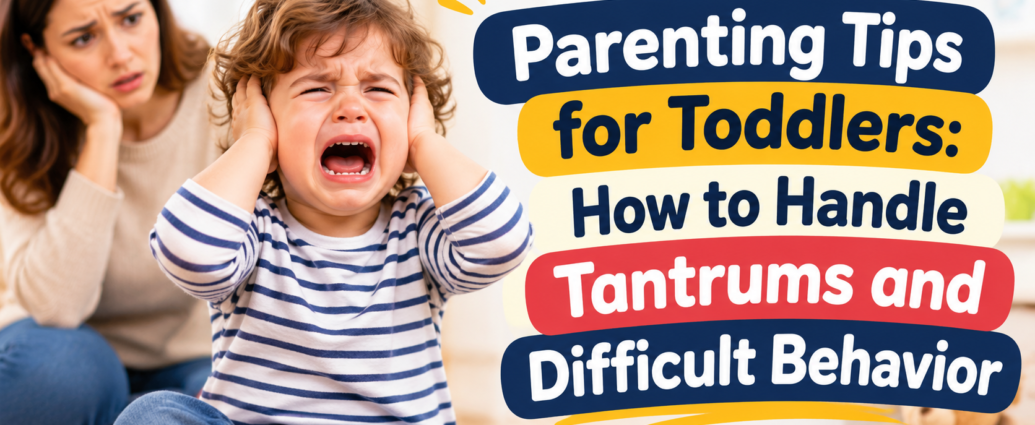
Parenting toddlers can be one of the most rewarding yet challenging stages of raising children. Between the ages of 1 and 3, children experience rapid physical, emotional, and cognitive development. They become more independent, develop stronger opinions, and start expressing their needs and feelings. However, because their communication and emotional regulation skills are still developing, they may struggle to explain what they want or control their reactions.
This is why tantrums, crying, stubbornness, shouting, and other challenging behaviors are common during toddlerhood. For many moms and dads, managing these situations can feel exhausting, especially when they happen in public or during busy family routines.
Following the right Parenting Tips for Toddlers can help parents understand their children’s behavior, respond calmly, and develop healthy communication habits. Instead of relying on shouting or punishment, parents can use positive discipline, patience, consistency, and emotional support to guide their little ones.
In this guide, we will explore practical parenting strategies to handle toddler tantrums, difficult behavior, and everyday challenges while creating a loving and supportive home environment.
Why Do Toddlers Have Tantrums and Difficult Behavior?
Before learning how to manage tantrums, it is important to understand why they happen.
Toddlers are still learning how to communicate, understand emotions, and manage frustration. They may know what they want but lack the language or emotional skills to express themselves properly.
Common reasons for toddler tantrums include:
- Frustration: They cannot complete a task or communicate what they need.
- Hunger: They become upset when they need food.
- Tiredness: Lack of sleep can make emotional regulation more difficult.
- Independence: They want to do things themselves but may need help.
- Changes in routine: Unexpected changes can make them uncomfortable.
- Attention: They may want more interaction with parents.
- Overstimulation: Too much noise, activity, or excitement can overwhelm them.
Understanding these triggers helps parents respond to the underlying need rather than focusing only on the behavior.
1. Stay Calm During Your Toddler’s Tantrums
One of the most important Parenting Tips for Toddlers is learning to remain calm when your child becomes upset.
When toddlers scream, cry, or throw things, parents may naturally feel frustrated. However, shouting or reacting aggressively can make the situation more difficult.
Children learn emotional regulation partly by observing their parents. When you remain calm, you demonstrate how to handle difficult feelings.
What parents should do:
- Take a few deep breaths before responding.
- Speak in a gentle and steady voice.
- Avoid shouting or threatening your child.
- Give your toddler time to calm down.
- Stay nearby and offer reassurance.
- Discuss the situation once your child is calmer.
Remember, your goal is not to stop every emotion immediately. It is to help your child learn how to manage emotions safely.
2. Understand Your Toddler’s Emotional Needs
Toddlers experience many emotions, including happiness, anger, sadness, fear, and frustration. However, they may not have enough vocabulary to explain what they are feeling.
Parents should help children identify their emotions instead of dismissing them.
For example, if your toddler becomes upset because a toy is taken away, you can say:
“I understand that you are upset because you wanted to play with that toy.”
This simple response helps your child feel understood.
Ways to support emotional development:
- Name different emotions during everyday activities.
- Read picture books about feelings.
- Encourage children to express themselves.
- Comfort them when they are upset.
- Avoid saying that crying is bad.
- Teach simple words such as happy, sad, angry, and scared.
Over time, children can learn healthier ways to communicate their feelings.
3. Establish a Consistent Daily Routine
Toddlers generally benefit from predictable daily routines. Knowing what happens next can help them feel secure and reduce frustration.
Unexpected changes in sleeping, eating, and playing schedules may sometimes contribute to difficult behavior.
Try creating a simple routine that includes:
- A consistent waking time.
- Regular meals and snacks.
- Playtime and outdoor activities.
- Nap or quiet time when appropriate.
- Family interaction.
- A relaxing bedtime routine.
You do not need to follow a strict schedule every minute. The goal is to create consistency while allowing flexibility when necessary.
4. Use Positive Discipline Instead of Punishment
Positive discipline is an effective approach to guiding toddler behavior. It focuses on teaching appropriate actions through encouragement, clear expectations, and consistent boundaries.
Toddlers are still learning what is acceptable, so parents should not expect them to understand every rule immediately.
For example, if your toddler throws a toy, calmly explain:
“Toys are for playing. We do not throw them because someone could get hurt.”
Then redirect your child toward an appropriate activity.
Positive discipline techniques include:
- Explain rules using simple language.
- Recognize positive behavior.
- Redirect inappropriate actions.
- Set consistent boundaries.
- Avoid physical punishment.
- Use age-appropriate consequences.
Discipline should teach children what to do rather than make them feel ashamed of themselves.
5. Give Your Toddler Simple Choices
Toddlers often want to feel independent. They may become frustrated when parents make every decision for them.
Offering limited choices can reduce unnecessary disagreements and help children develop decision-making skills.
For example, instead of asking, “What do you want to wear?” offer two suitable options:
- Would you like the blue shirt or the red shirt?
- Do you want an apple or a banana?
- Would you like to read this book or that one?
Make sure both options are acceptable to you.
This strategy gives children a sense of control while allowing parents to maintain appropriate boundaries.
6. Identify and Prevent Common Tantrum Triggers
Many toddler tantrums happen in predictable situations. Parents can reduce some of these episodes by identifying common triggers.
For example, if your child becomes upset when hungry, prepare a healthy snack before leaving home.
Common tantrum triggers include:
| Trigger | Helpful parenting strategy |
|---|---|
| Hunger | Offer regular meals and snacks |
| Tiredness | Maintain an appropriate sleep routine |
| Overstimulation | Provide quiet breaks |
| Sudden transitions | Give advance warnings |
| Frustration | Offer help and encouragement |
| Boredom | Introduce engaging activities |
Prevention does not mean every tantrum can be avoided. It simply helps parents manage situations before frustration becomes overwhelming.
7. Teach Your Toddler to Communicate Their Needs
Limited communication skills are a common reason toddlers become frustrated.
Parents can reduce communication difficulties by teaching simple words, gestures, and signs that help children express their needs.
For example, encourage your toddler to use words such as:
- Help.
- More.
- Water.
- Food.
- Stop.
- Please.
- Finished.
You can also point to objects, use picture cards, or demonstrate simple gestures.
Read books together, sing songs, and talk about everyday activities to support language development.
If you have concerns about your toddler’s speech or communication milestones, discuss them with a pediatrician or qualified speech-language professional.
8. Redirect Difficult Behavior With Fun Activities
Sometimes toddlers become upset because they are bored, frustrated, or looking for stimulation.
Redirecting their attention toward an appropriate activity can help shift their focus.
Some enjoyable activities include:
- Building blocks.
- Drawing with washable crayons.
- Playing with soft toys.
- Sorting colorful shapes.
- Reading picture books.
- Playing with water under close supervision.
- Singing nursery rhymes.
- Exploring age-appropriate sensory toys.
Choose activities according to your child’s age and abilities. Avoid small objects that could create choking hazards.
9. Set Clear and Consistent Boundaries
Toddlers need to understand which behaviors are acceptable and which are not.
Parents should establish simple rules and communicate them consistently.
For example:
- We use gentle hands.
- We do not hit others.
- We do not throw food.
- We hold an adult’s hand near roads.
- We put toys away after playing.
Use short sentences and repeat important rules when necessary.
If your child breaks a rule, respond calmly and consistently. Avoid changing expectations simply because your toddler is crying.
Children gradually learn boundaries through repetition and positive guidance.
10. Praise Good Behavior and Small Achievements
Positive reinforcement can encourage toddlers to repeat helpful behaviors.
When your child shares a toy, follows a simple instruction, or uses words instead of screaming, acknowledge the behavior.
Examples of positive encouragement include:
- “Great job using your words!”
- “Thank you for putting your toys away.”
- “I love how gently you played.”
- “You tried really hard!”
Specific praise helps children understand which actions are positive.
Avoid excessive pressure or expecting perfect behavior. Toddlers need opportunities to practice and learn.
11. Handle Public Tantrums With Patience
Public tantrums can be particularly stressful for parents. A child may start crying in a supermarket, shopping mall, restaurant, or family gathering.
In these situations, parents may feel embarrassed or pressured by other people.
However, it is important to focus on your child’s needs rather than worrying about outside opinions.
How to manage public tantrums:
- Stay calm and avoid shouting.
- Move your child to a quieter, safer place if possible.
- Check whether they are hungry, tired, or uncomfortable.
- Use simple words to reassure them.
- Avoid giving in to unsafe or unreasonable demands simply to stop the crying.
- Wait until your child is calm before discussing expectations.
If necessary, leave the situation and return another time.
A public tantrum does not mean you are a bad parent. It is an opportunity to help your child learn emotional regulation.
12. Avoid Giving Too Much Screen Time
Digital devices are common in modern households, but excessive or poorly managed screen use can interfere with important activities such as sleep, physical play, and family interaction.
Parents should establish age-appropriate screen time limits and prioritize interactive experiences.
For toddlers:
- Avoid using screens as the primary way to manage every emotional situation.
- Choose high-quality, age-appropriate content.
- Watch or interact with content together.
- Avoid screens during meals.
- Establish screen-free periods before bedtime.
- Encourage reading, physical play, and creative activities.
The American Academy of Pediatrics recommends limiting screen media for children aged 2–5 to around one hour per day of high-quality programming, with parental involvement where possible. For children younger than 18 months, screen media is generally discouraged except video chatting.
13. Encourage Independent Play
Independent play allows toddlers to explore toys, practice creativity, and develop problem-solving skills.
Parents do not need to entertain their children every minute. Providing a safe play environment and suitable toys gives children opportunities to explore independently.
Some independent play ideas include:
- Stacking blocks.
- Playing with large puzzles.
- Looking at picture books.
- Sorting large colorful objects.
- Playing with toy animals.
- Building simple structures.
Stay nearby and supervise according to your child’s age and safety needs.
Encouraging independent play can also help children become more comfortable entertaining themselves.
14. Make Sure Your Toddler Gets Enough Sleep
Sleep is important for children’s physical growth, learning, and emotional well-being.
When toddlers are tired, they may become more irritable and have difficulty managing frustration.
According to the CDC, children aged 1–2 generally need 11–14 hours of sleep per 24 hours, including naps, while children aged 3–5 generally need 10–13 hours.
Helpful sleep habits include:
- Maintaining consistent bedtime routines.
- Creating a comfortable sleeping environment.
- Avoiding stimulating activities close to bedtime.
- Limiting screens before sleep.
- Providing a relaxing bedtime activity, such as reading.
If your child regularly struggles with sleep, discuss the problem with a healthcare professional.
15. Show Unconditional Love and Emotional Support
Perhaps the most important parenting strategy is making sure your toddler feels loved, accepted, and supported.
Children need reassurance, especially when they are learning new skills or struggling with difficult emotions.
Show affection through hugs, kind words, smiles, and quality time.
Tell your child:
- “I love you.”
- “I am here to help.”
- “It is okay to feel upset.”
- “Let’s try again together.”
- “You are safe.”
Your child should understand that even when certain behaviors are unacceptable, your love remains consistent.
Common Toddler Behavior Problems and How to Handle Them
Toddlers may display different challenging behaviors as they develop independence and learn social rules.
Here are some common examples and practical ways to respond.
| Behavior | How parents can respond |
|---|---|
| Hitting | Stop the behavior calmly and teach gentle hands |
| Biting | Ensure safety, respond calmly, and identify possible triggers |
| Screaming | Acknowledge feelings and model calm communication |
| Refusing food | Offer balanced choices without forcing meals |
| Throwing toys | Set clear rules and redirect to appropriate play |
| Saying no frequently | Offer limited choices and maintain boundaries |
| Refusing bedtime | Establish a consistent and relaxing routine |
| Sharing difficulties | Practice taking turns through simple games |
Remember that challenging behaviors are not necessarily signs of bad character. They often reflect skills that children are still developing.
When Should Parents Be Concerned About Toddler Tantrums?
Tantrums are a normal part of toddler development, but parents should pay attention to their frequency, intensity, and impact on everyday life.
Consider discussing your concerns with a pediatrician if:
- Tantrums are unusually frequent or intense.
- Your child regularly hurts themselves or others.
- Aggressive behavior continues or becomes difficult to manage.
- Your toddler has persistent communication difficulties.
- There are concerns about developmental milestones.
- Behavior significantly interferes with family life or social activities.
A healthcare professional can help determine whether additional developmental or behavioral support is needed.
Conclusion: Raising Happy and Emotionally Healthy Toddlers
Parenting toddlers requires patience, consistency, understanding, and plenty of love. Tantrums, stubbornness, and difficult behavior can be challenging, but they are often part of the learning process as children develop communication and emotional regulation skills.
The best Parenting Tips for Toddlers focus on understanding emotional needs, identifying tantrum triggers, establishing healthy routines, using positive discipline, and encouraging independent behavior.
Remember that toddlers do not learn everything in a single day. They need repeated guidance, reassurance, and opportunities to practice new skills.
By staying calm, setting clear boundaries, and providing unconditional love, parents can help their little ones develop confidence, emotional awareness, and healthier behavior as they grow.